Revisiting ADA Lobby Day 2026
The American Dental Association’s (ADA) Lobby Day is one of the most significant dental advocacy events of the year. Many dental organizations spend time in Washington, D.C. talking to legislators, but only ADA’s Lobby Day brings dentists together from all parts of the profession. State associations send advocacy teams to the event annually to support legislation that directly affects dental professionals throughout the country. Georgia’s team met with every single office with available appointments, telling stories about the challenges dentists face every day and highlighting common-sense legislative fixes needed to meet those challenges.
Lobby Day Begins with Education
Before Lobby Day begins, ADA’s Washington team identifies pertinent topics for dentists to discuss with their Representatives and Senators. These topics are often selected based on trends in culture and ADA’s larger advocacy strategy. Thanks to the pace of legislation inside the beltway, some topics carry over from year to year while others may emerge in a matter of months. This year ADA advocates focused on a mixture of old and new.
Education begins online. Attendees join an online training that covers key details about each major issue. The event then reinforces that information with a panel discussion the morning before advocates head up to the Hill to begin talking to elected officials and their staff. ADA Lobby Day also includes education on topics that dentists can use to supplement their state level advocacy, and this year’s Sunday sessions included breakouts on grassroots advocacy, making an impact as a new dentist, tripartite advocacy, running for office, and how to meet your member of congress.
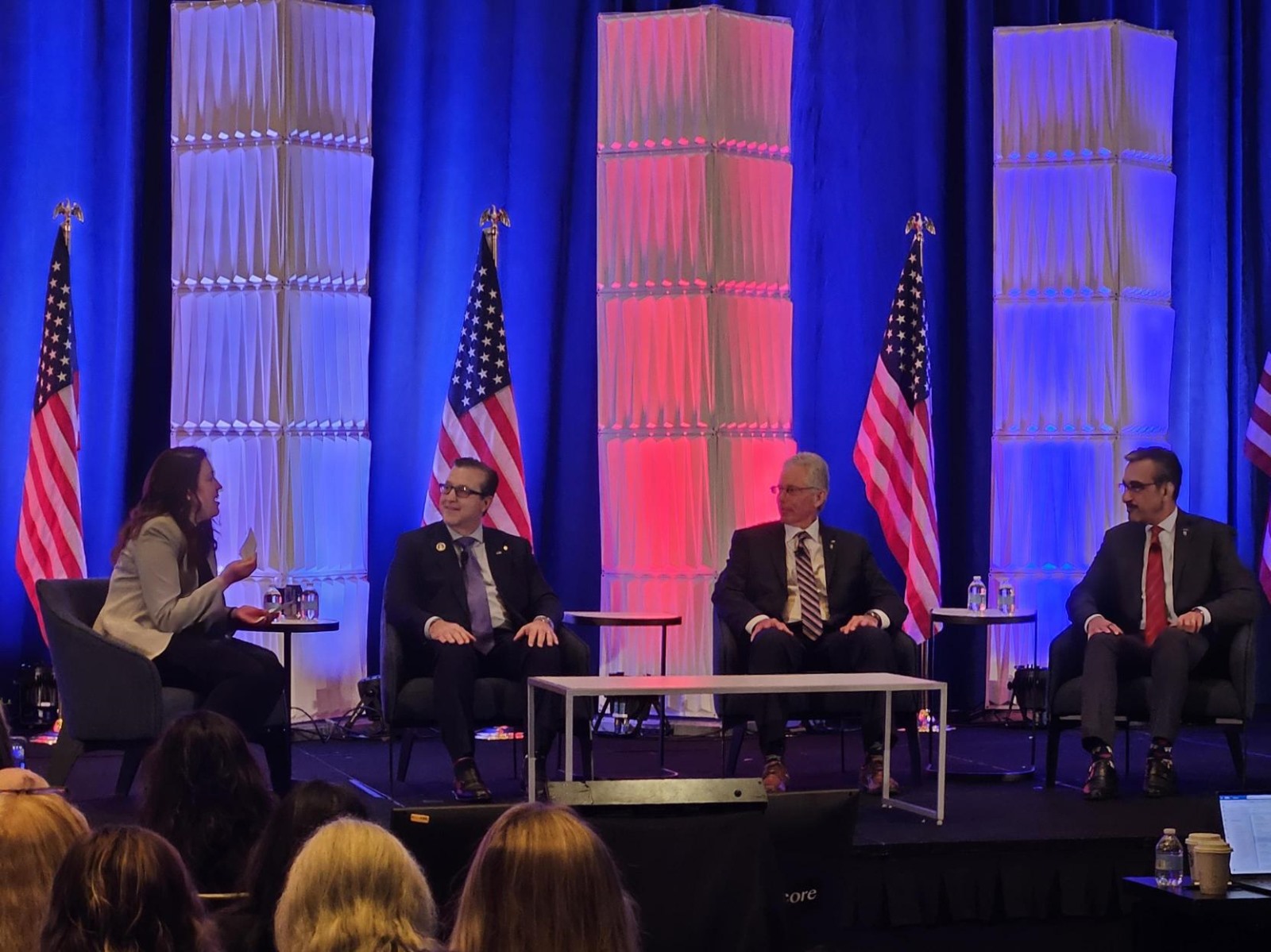
Monday morning included opportunities to hear from ADA President Dr. Rich Rosato, ADA President-Elect Dr. Tom Paumier, and ADA’s new Executive Director Dr. Nader Nadershahi. The morning was capped off by a keynote address by CBS News Sunday Morning correspondent Robert Costa. These discussions offered insights into the current political landscape as well as the goals and aims of ADA leadership as they seek to navigate uncharted waters. The theme running throughout was one of confidence in dentists' ability to join together to promote policies that are good for dental providers and their patients. Though current events are often described as unprecedented and unpredictable, the fundamentals have not changed, and by identifying throughlines and cultural trends, dentist advocates can adapt to continue to drive positive change.
The Issues
Perhaps the most exciting topic this year was an opportunity to support dental insurance reform. The Improving Dental Administration Act (HR 7931) amends ERISA with a short clarifying sentence that specifies that state laws related to the administration of dental benefits, such as those that implement important patient and provider protections, are not superseded by ERISA. ADA has long been focused on addressing the misuse of ERISA pre-emption to avoid compliance with state laws related to things like assignment of benefits and attempts to set prices for noncovered services. HR 7931 aims to address this misuse with several lines of text that cut to the heart of the problem.
ADA Lobby Day 2026 also saw the return of discussions about the Resident Education Deferred Interest Act (HR 2028 / S 942). Dubbed the REDI Act, the bill has been introduced and reintroduced since 2018, but it has been slowly and steadily gaining momentum with ever more legislators, 84 in the House, cosponsoring the bill. Thanks to broad bipartisan support and some recent momentum, this year was a good opportunity to advocate for easing the burden of accumulating interest on student debt for graduates pursuing specialty education.
REDI would make a significant difference to graduates entering residency programs around the country. The average dental graduate has $297,800 at the time of graduation, and interest accumulating over the years of a residency could add more than $75,000 to the balance before that graduate completes their residency program and is ready to begin full-time practice. Implementing REDI would allow new graduates to make choices about future education and specialization confident that their education debt will not balloon if they choose further education over full-time practice.
The final focal issue of the day was federal oral health infrastructure. Over the last year significant cuts to the federal workforce have increased the likelihood that oral health priorities will be overlooked or managed as fragmented, agency-by-agency, efforts. Reductions at the Centers for Disease Control and Prevention (CDC) and the Health Resources and Services Administration (HRSA) have led to reductions in support for oral health surveillance and technical assistance related to workforce programs and initiatives. The GDA team encouraged Georgia’s congressional delegation to reverse these trends by filling CMS’s chief dental officer position; restoring dedicated oral health capacity; and protecting dedicated dental, oral, and craniofacial research capacity within the National Institutes of Health.
Georgia’s Hill Meetings
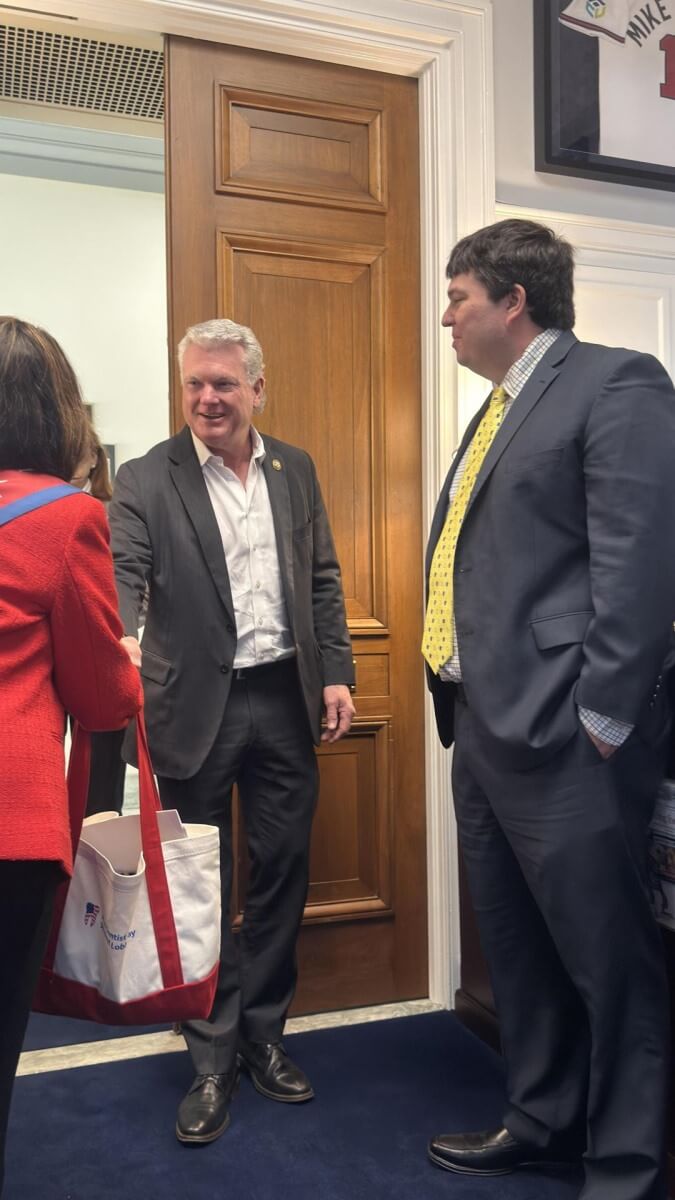
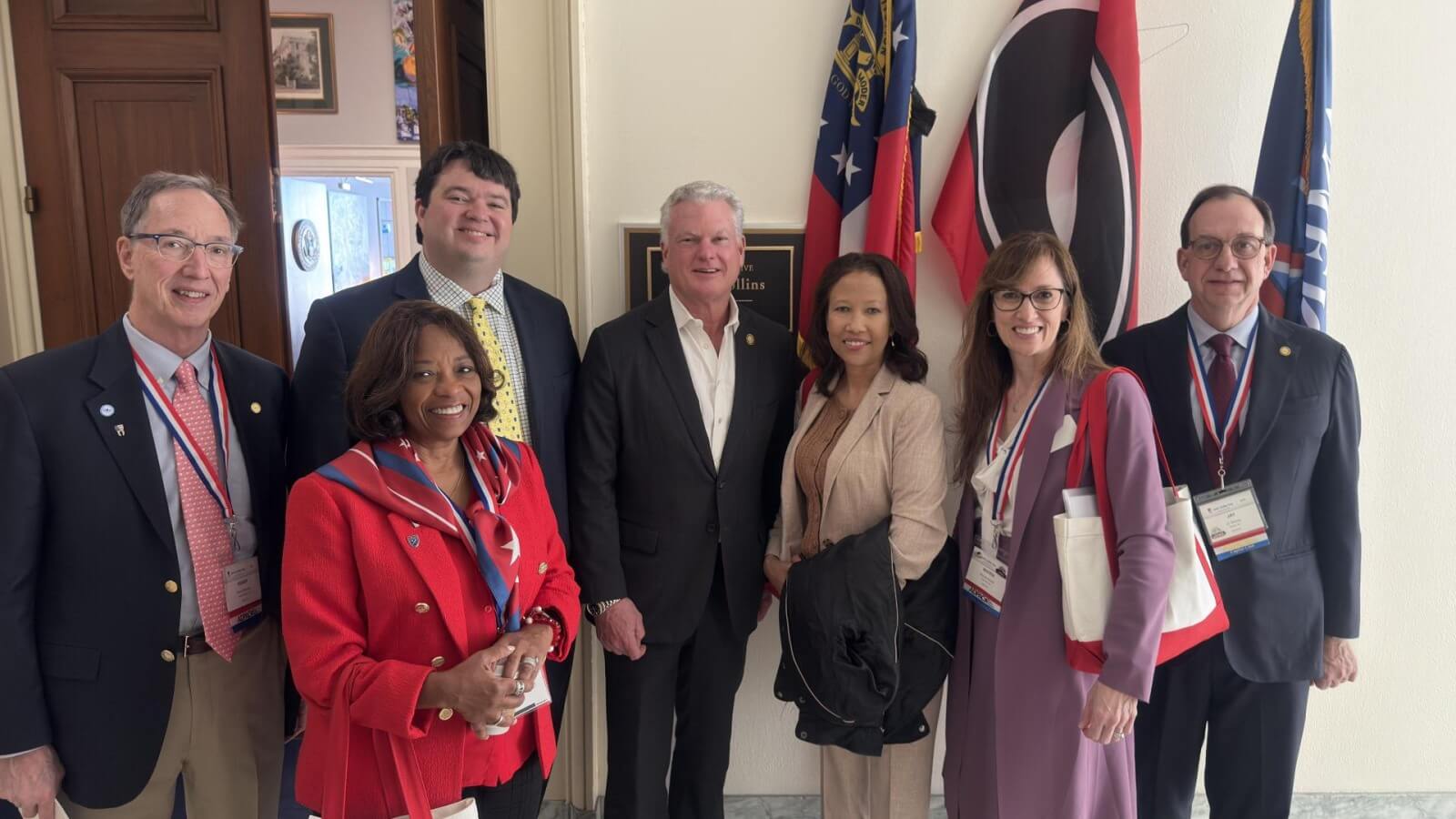
Over two, GDA’s team met with both Senators’ offices and 10 Georgia congressional offices. Representative Lucy McBath and Representative Mike Collins personally stopped in to say hello. Each meeting involved a lengthy discussion with health policy staff where dentists offered insight into each of the priority issues. The team’s aim was to put a human face on the statistics and numbers and to remind policymakers of the individual impact that each dental professional makes every day.
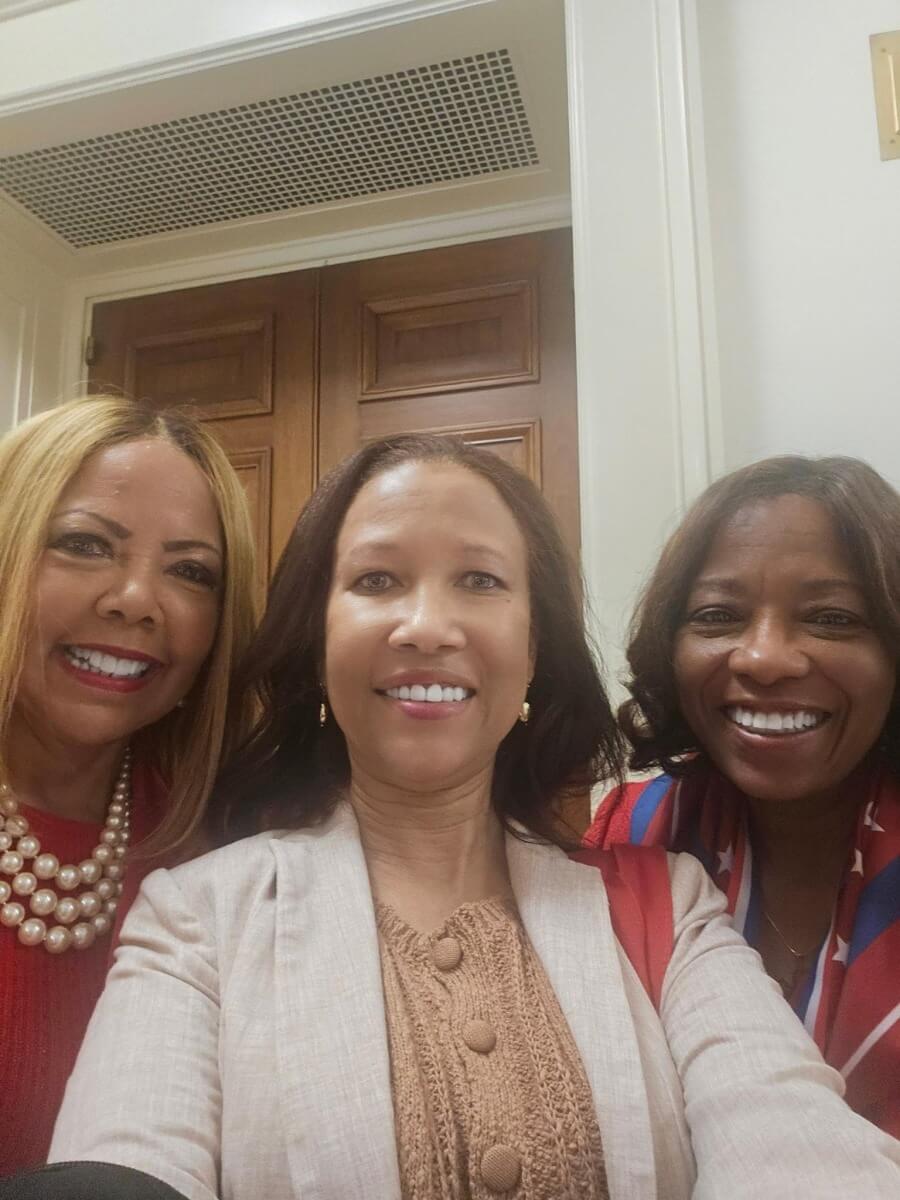
Advocacy days are an opportunity for Contact Dentist Network to grow as storytellers. By meeting with legislators in quick succession, a contact dentist can learn to anticipate the kinds of questions policymakers, and their staff, will ask when encountering a new policy proposal. These questions can inform the way the contact dentist approaches similar meetings. Beyond facts and statistics, being able to tell a short but memorable personal narrative is at the heart of any effort to make meaningful change, and one-to-one meetings are the best time to show the individual impact of an idea that might otherwise be treated in the abstract.
Get Involved
Advocacy for state and federal policies that help dentists bring quality dentistry to Georgians is always ongoing at the Georgia Dental Association. To stay informed, continue to tune into our legislative updates. In these articles, we also like to offer a reminder that the Georgia Dental Association offers many opportunities to get involved in policy advocacy through our contact dentist network, LAW Day, and supporting GDAPAC. Also don’t forget to sign up for ADA Action Alerts and consider giving to ADPAC. Your support makes all the difference.